

Executive Brief — Board Note: Buying Tools vs. Building Workflows: The Pre-Purchase Checklist
Security tools fail when they’re purchased for features instead of workflows. This checklist forces governance, adoption, and readiness into the buying decision.

The Question Every Board Should Ask After a Security Incident
Post-incident reviews often focus on what failed. The better question is whether leadership understood its risk posture before the incident occurred.

Why Security Certifications Matter More Than Executives Think
Certifications signal more than expertise. They establish shared language, ethical standards, and decision frameworks that organizations rely on during crises.

Executive Brief — Board Note: Capability Coverage: The Metric That Predicts Failure
Security capability is not evenly distributed. The biggest readiness gaps often hide on nights, weekends, and high-turnover posts—until the incident happens.

Security Spend Is a Governance Decision, Not an Operational One
Security budgets signal what leadership values. When spending decisions remain operational, organizations miss the strategic implications of risk ownership.

When Compliance Becomes a Substitute for Security
Passing audits provides reassurance—but not safety. Many organizations mistake compliance for security, leaving critical gaps unaddressed until incidents expose them.

Executive Brief — Board Note: Decision Latency: The Silent Risk
Incidents escalate in the minutes leaders hesitate. Decision latency is the hidden risk that turns manageable events into operational disruption—and it’s measurable.

Technology Can’t Secure What Leadership Won’t Govern
Organizations continue to buy advanced tools while avoiding the harder work of governance. Without ownership, metrics, and accountability, technology amplifies confusion—not security.
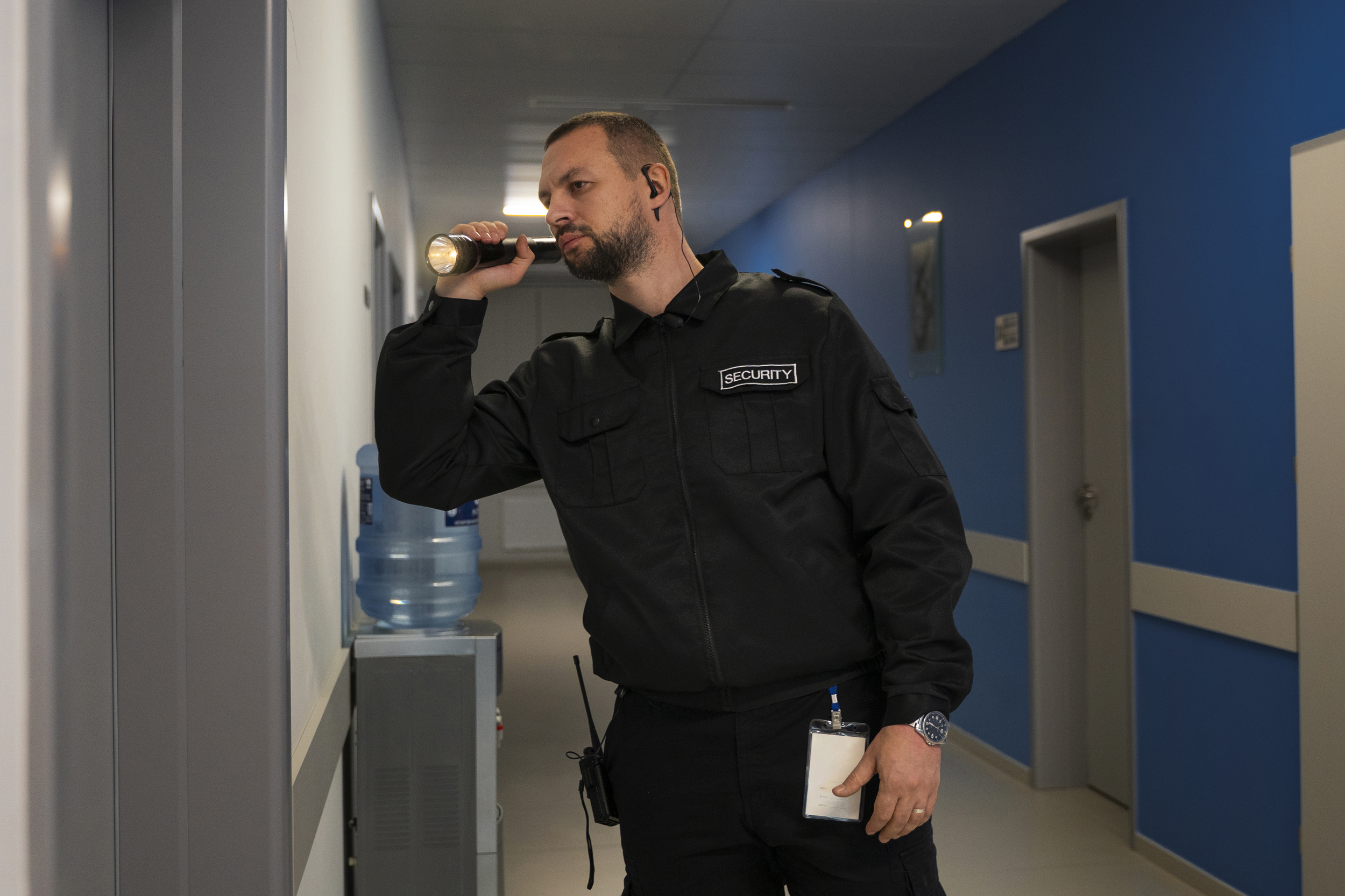
The Hidden Cost of Undertrained Security Teams
Headcount is visible. Capability is not. When training budgets shrink, organizations unknowingly increase risk exposure—often without realizing it until it’s too late.

Executive Brief — Board Note: Top 5 Readiness Metrics to Demand This Quarter
Security programs don’t fail because leaders don’t care—they fail because readiness isn’t measured. Here are the five metrics executives should demand this quarter to reduce decision latency, improve response quality, and turn security spending into measurable operational resilience.

Security Incidents Are Inevitable. Unprepared Leadership Is Not.
Every organization will face disruption. What separates failure from resilience is not the incident—but leadership’s preparedness to govern decisions under pressure.

Why Most Security Investments Fail Before the First Incident
Executives often approve security budgets expecting protection, assurance, and resilience. Yet many programs fail quietly—long before an incident ever tests them. The problem isn’t lack of spend. It’s misalignment between tools, people, and accountability.